



Welcome to Annie's Homestead
You stopped trusting the system.
Now let's build your way out of it
Learn how to grow real food, real birds, for real independence.
Does this sound familiar?
You've been reading labels and not likeing what you see.
You don't fully trust the grocery store, the supply chain, or what the label actually means. You're not paranoid. You're paying attention. And you're ready to do something about it.You want to know where your food actually comes from.
You want to know the bird, the feed, the ground it walked on. You want the full chain — and you want to own it.You’re done waiting for the system to fix itself.
Whether you have five acres or a back patio, you're ready to start building something that doesn't depend on anyone else. One seed. One egg. One jar at a time.
If any of that sounds like you — you're exactly who this is for.
Most homesteading content online is either a Pinterest fantasy or a 47-step overwhelm spiral. Neither helps you actually do anything.
This isn't that.
Annie's Homestead is no-gatekeep, straight-to-the-point resources for people who are done outsourcing their food supply to a system they don't trust. We go into the detail. We share what actually works. And we don't pretend it's simpler than it is — because you're smart enough to handle the real version.
That's where Annie's Homestead comes in.

Start exactly where you are.
You don't need land, livestock, or a barn. You need a direction and someone who's actually done it. Whether you have a backyard or a window ledge, the first step is the same: start something you can eat.

Know what's in your food — because you put it there.
From egg selection to hatch day. From mealworms to free-range. From seed to harvest. Annie covers the full chain because the full chain is the whole point.

Build skills that make you less dependent.
Fermentation. Incubation. Coop automation. Food preservation. Every skill you learn is one less thing you need from a system you don't trust. That's not a hobby. That's a strategy.
Free: Automate Your Coop
Want to streamline your chores?
Less time on chores.
More time on everything else.
The exact automations Annie uses on her off-grid Idaho homestead — automatic doors, refillable waterers, everything that runs the coop so she doesn't have to babysit it.
Free. Because we don't gatekeep here.

Hey There,
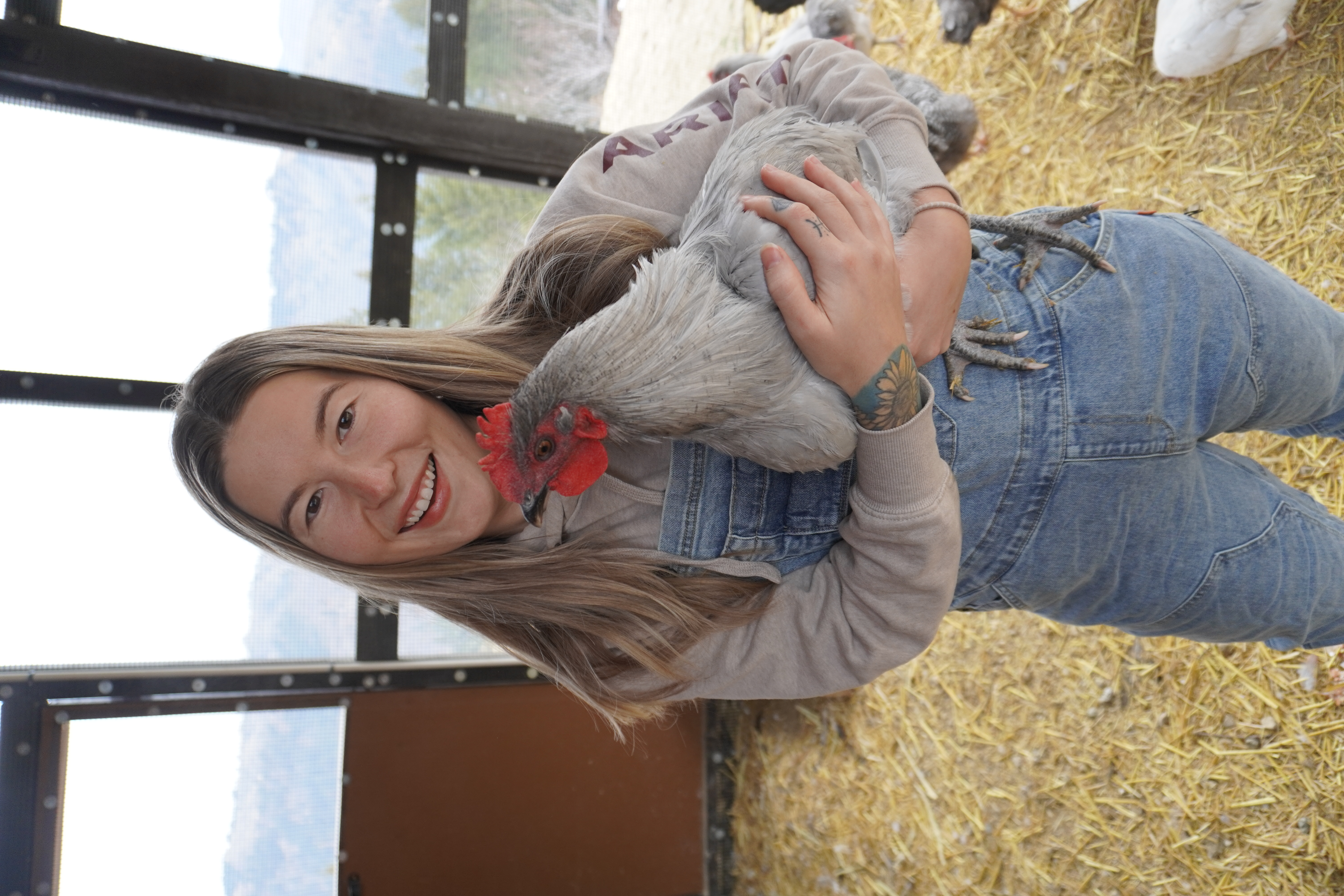
I'm Annie
I'm here to help you leave the system with ease
I live off-grid in the Idaho mountains with a flock of birds I hatched myself, an indoor grow room, and a greenhouse — because I'd rather know exactly what's going into my food than trust a label that doesn't have to tell me everything.
I built Annie's Homestead for the person who's started asking questions they can't unask. The person who reads ingredients now. The person who looked at the Palantir-USDA contract and thought — okay, it's time to build my own supply chain.
No sugar-coating. No gatekeeping. Just the real process, the real numbers, and honest answers about what it actually takes.
You found this page for a reason. Stick around.
Top Resources
Streamline your chore list with our chicken coop automation list

Prepare For Emergencies with our Chicken First Aid Kit
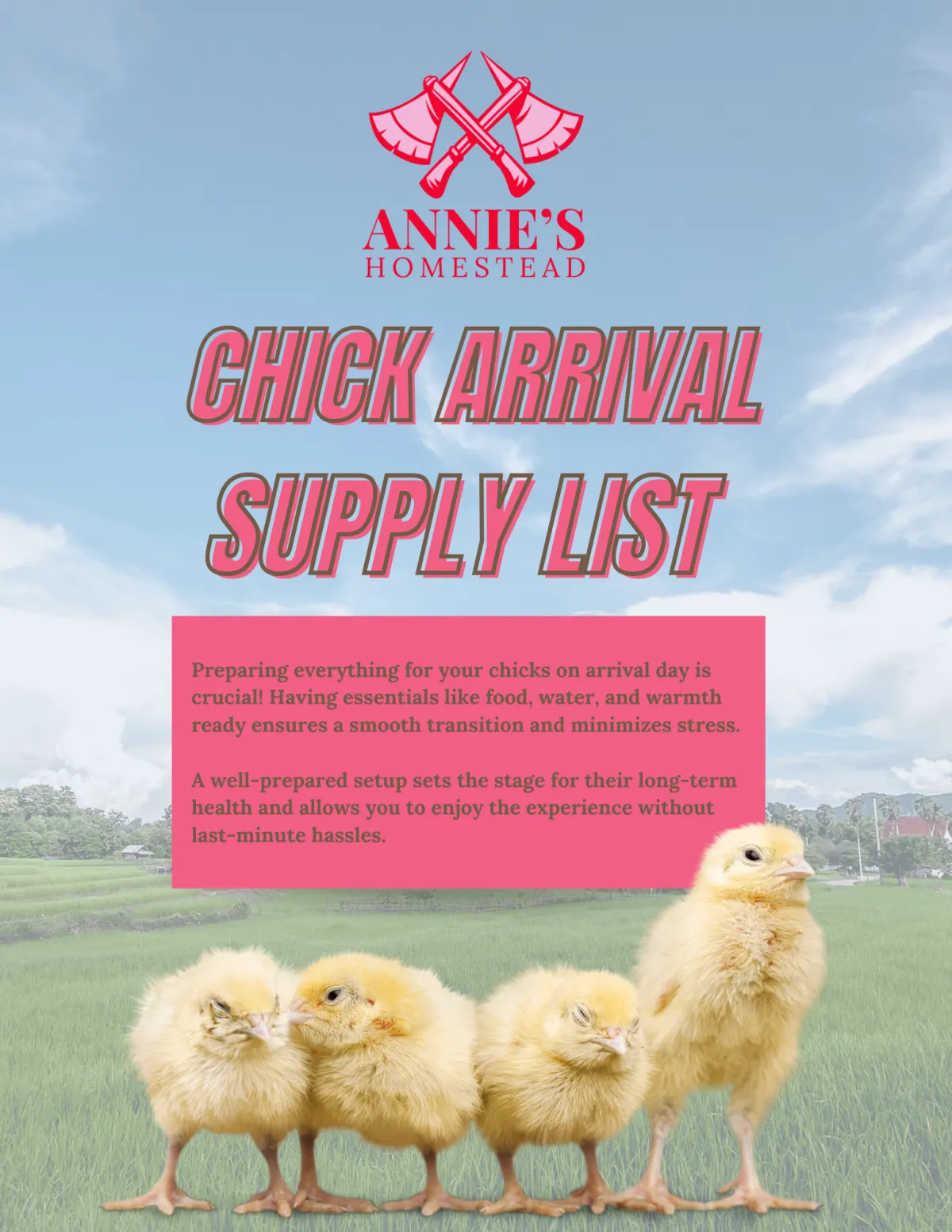
Prepare For Your New Chicks with our Favorite Essentials
Stay Updated
And join the inner circle
Be one of the firsts to know anything new and stay up to date with all the happenings on the homestead!
(I won't spam you ever - PROMISE!)
READ THE BLOG
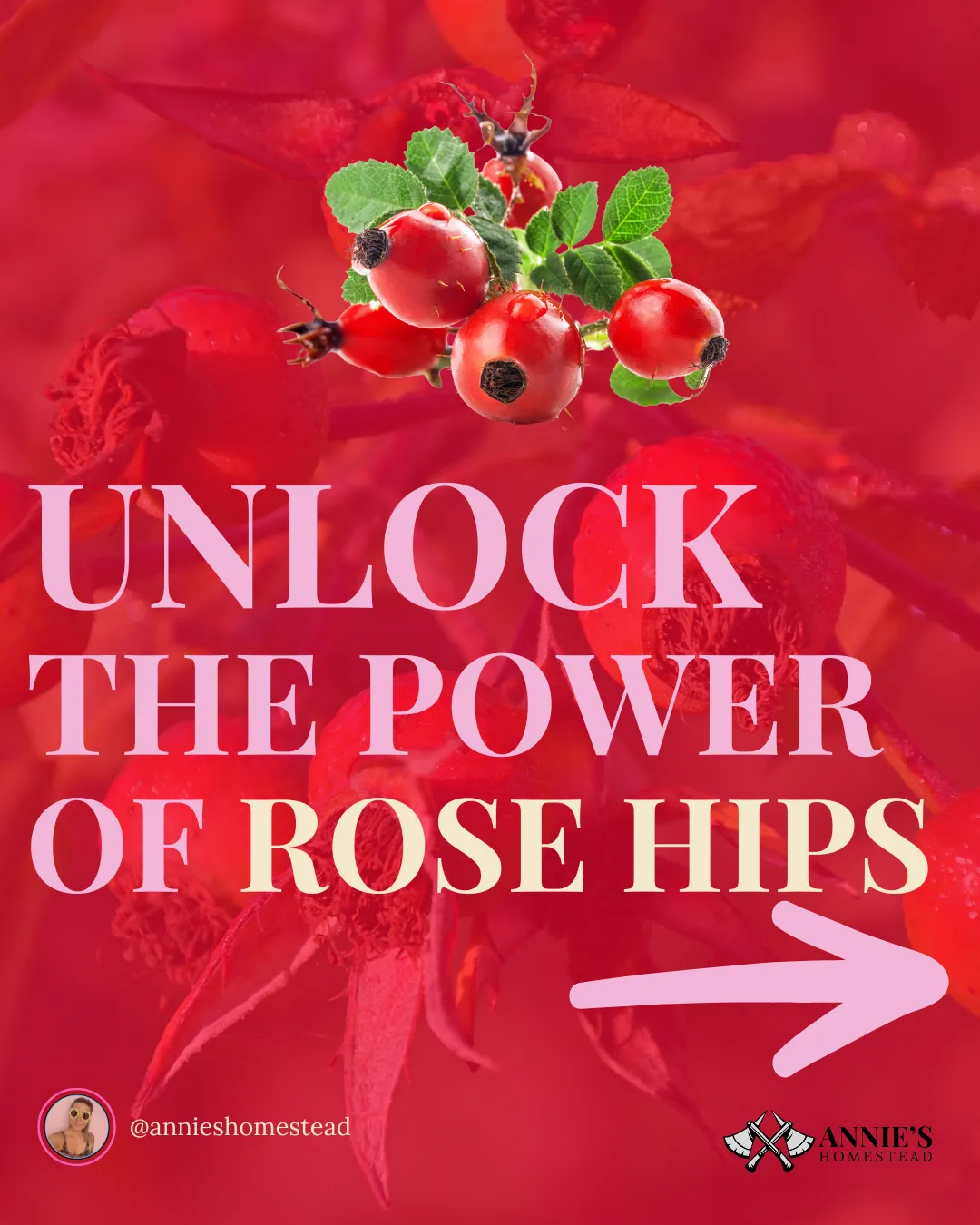
The Power of Rose Hips: Benefits, Harvest Tips, and Delicious Recipes
The Power of Rose Hips: Benefits, Harvest Tips, and Delicious Recipes
As the first frost arrives, it’s the perfect time to harvest rose hips—those vibrant red-orange berries packed with vitamin C and antioxidants, just waiting to enhance our fall and winter health routines. Today, we'll explore rose hip benefits, harvest tips, and delicious ways to use them. Let’s get started!
Harvesting Rose Hips: When and How to Pick Them
Rose hips reach their peak just after the first frost, which sweetens their flavor and maximizes nutrient content. When harvesting, look for bright red or orange hips that feel slightly soft but aren’t mushy. Skip any that are brown or shriveled.
5 Delicious Rose Hip Recipes
1. Rose Hip Tea
This soothing tea is perfect for chilly days and boosts your vitamin C intake naturally.
Ingredients:
1/4 cup fresh rose hips (or 2 tbsp dried)
2 cups water
Instructions:
Rinse and halve the rose hips to remove seeds (important to prevent irritation).
Boil the water, add the rose hips, and let simmer for 10–15 minutes.
Strain, add honey if desired, and enjoy warm.
Pro Tip: Add a slice of fresh ginger for extra warmth!
2. Rose Hip Syrup
Use this nutrient-rich syrup as a topping or natural sweetener, especially during cold season.
Ingredients:
2 cups rose hips
2 cups water
1 cup sugar (or adjust to taste)
Instructions:
Simmer the rose hips in water for about 20 minutes, mashing as they cook.
Strain to remove seeds and skins, then add sugar to the strained liquid.
Simmer another 10 minutes until syrupy, then pour into sterilized jars.
Serving Ideas: Mix with sparkling water, drizzle on pancakes, or use in cocktails.
3. Rose Hip Jelly
A unique, tart spread with a beautiful color. Pairs well with toast, cheese, or roasted meats.
Ingredients:
4 cups rose hips, seeds removed
4 cups water
2 cups sugar
1 box pectin
Instructions:
Boil rose hips in water, then strain and return the liquid to the pot.
Add sugar and pectin, bringing it to a boil. Stir continuously until it thickens.
Pour into sterilized jars, seal, and allow to cool.
Tip: Enjoy it with soft cheeses or as a glaze for meats.
4. Rose Hip Vinegar
A tangy, flavorful addition to dressings, marinades, and sauces.
Ingredients:
1 cup fresh rose hips
2 cups apple cider vinegar
Instructions:
Place cleaned rose hips in a jar, then cover with apple cider vinegar.
Seal the jar and store in a cool, dark place for 2-4 weeks.
Strain and transfer to a clean bottle.
Suggested Use: Perfect in vinaigrettes or marinades!
5. DIY Rose Hip Oil for Skin Care
Rose hip oil is a soothing, nourishing skincare oil known for its anti-inflammatory and antioxidant properties.
Ingredients:
1/2 cup dried rose hips
1 cup carrier oil (like almond or jojoba)
Instructions:
Add dried rose hips to a glass jar and cover with carrier oil.
Seal and let infuse in a warm place for 4-6 weeks, shaking occasionally.
Strain, bottle, and use as a moisturizer or add a few drops to your bath.
Skin Tip: Apply at night for radiant skin or use in your bath for a nourishing soak.
Frequently Asked Questions About Rose Hips
Can I eat rose hips raw? Yes, but remember to remove the seeds to avoid irritation.
Do rose hips pair well with other flavors? Absolutely! They blend well with cinnamon, ginger, and other fall fruits like apples and oranges.
Is it necessary to strain the seeds? Yes, the seeds can be irritating, so straining is recommended for most recipes.
Rose hips offer a versatile and nutritious way to enhance your homestead kitchen. From immune-boosting teas to skincare oils, there are countless ways to enjoy the benefits of this wild superfruit. Whether you’re a seasoned forager or a natural remedy enthusiast, these recipes provide simple, effective methods for harnessing the power of rose hips.
Enjoy experimenting and let us know your favorite ways to use them!
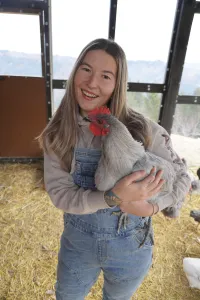

It's time to take the first step towards your homesteading journey.
Don't let uncertainty hold you back any longer.
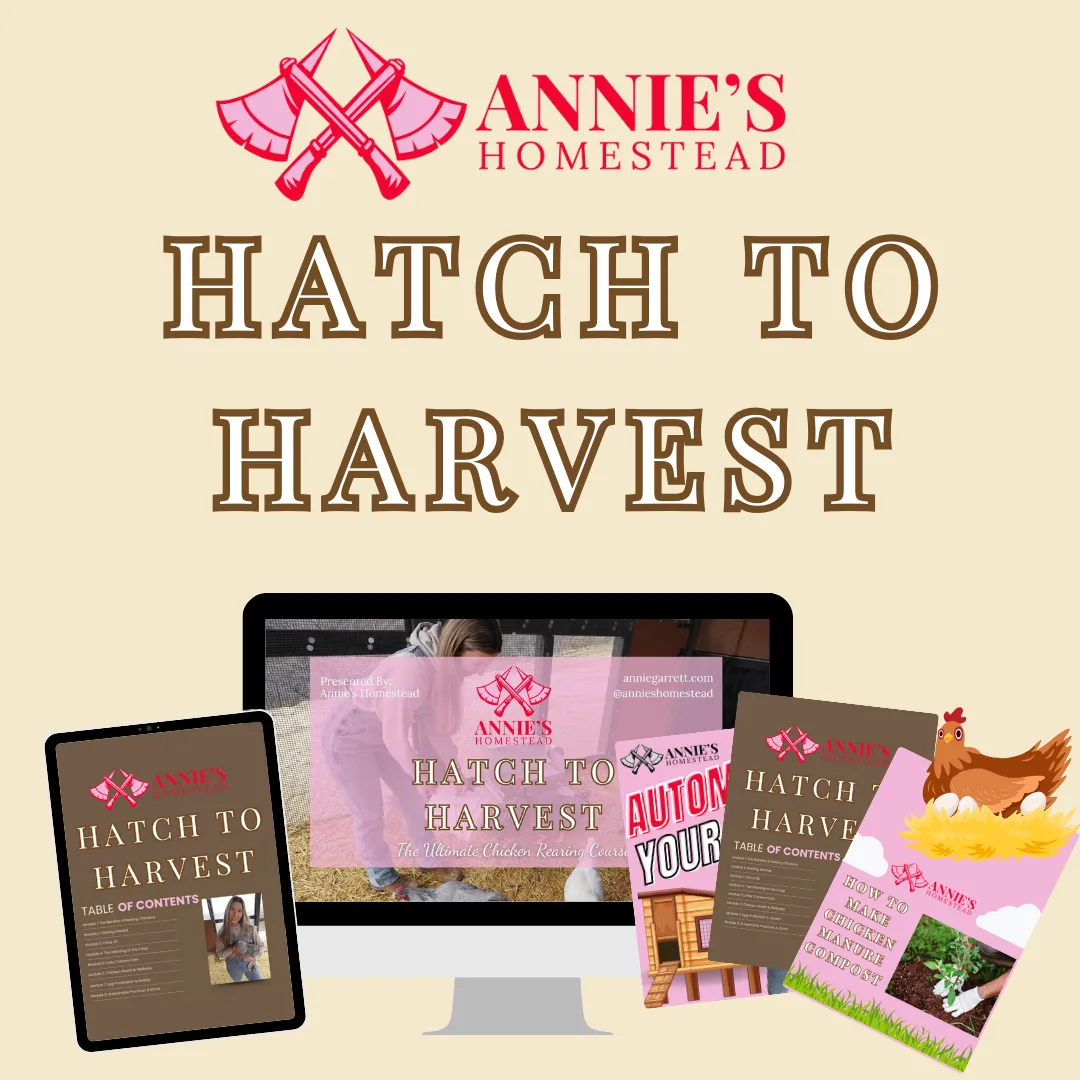
Our chicken course offers a comprehensive roadmap to self-sufficiency, guiding you step-by-step through the process of creating your own thriving flock, from hatch to harvest.
Enroll in our course today and take the first step towards a brighter, more empowered future!

Annie's Homestead is not affiliated by Facebook™ in any way. Facebook™ is a registered trademark of Facebook™ Inc
Branding and Website by RoyalT Studio