



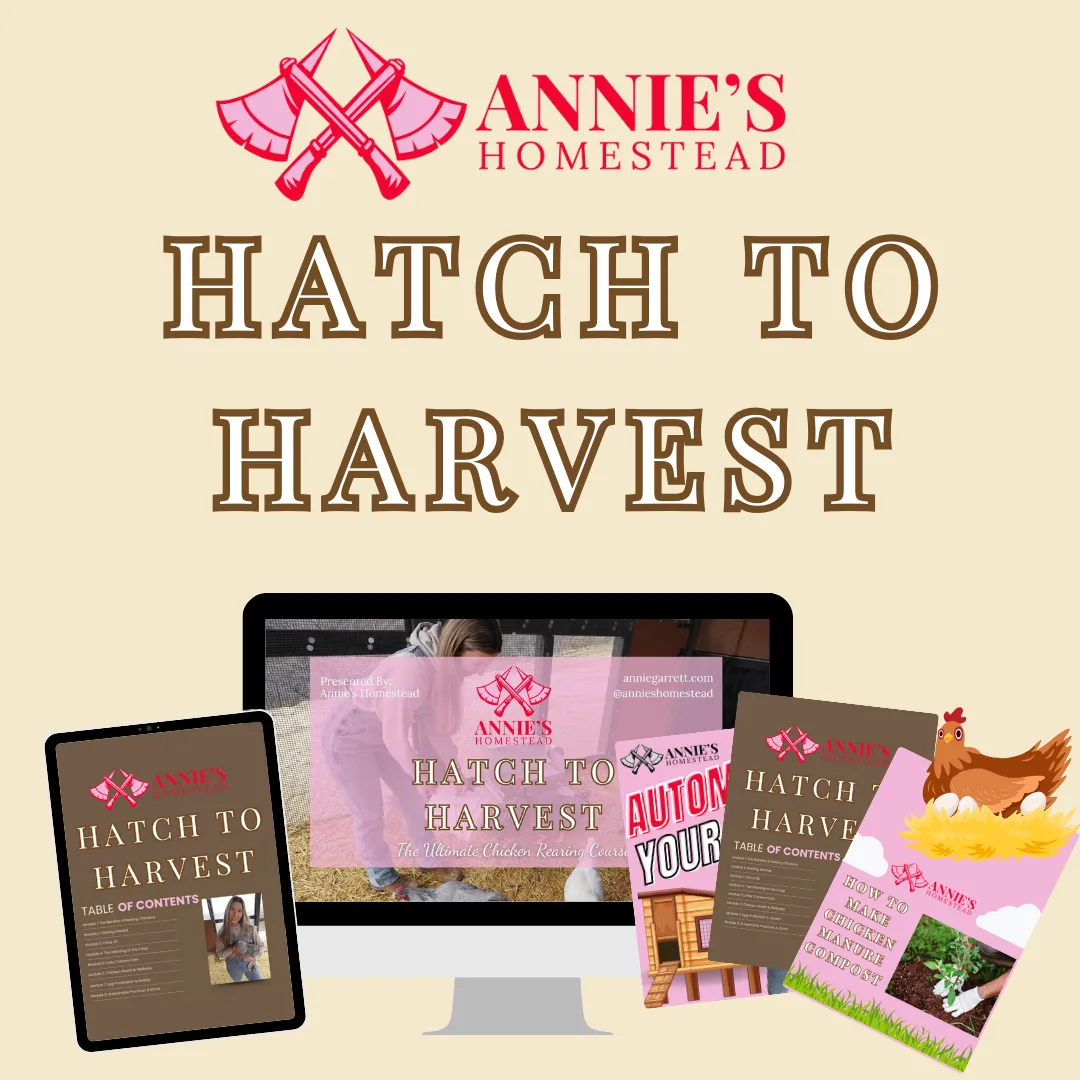
Welcome to Annie's Homestead
You stopped trusting the system.
Now let's build your way out of it
Learn how to grow real food, real birds, for real independence.
Does this sound familiar?
You've been reading labels and not likeing what you see.
You don't fully trust the grocery store, the supply chain, or what the label actually means. You're not paranoid. You're paying attention. And you're ready to do something about it.You want to know where your food actually comes from.
You want to know the bird, the feed, the ground it walked on. You want the full chain — and you want to own it.You’re done waiting for the system to fix itself.
Whether you have five acres or a back patio, you're ready to start building something that doesn't depend on anyone else. One seed. One egg. One jar at a time.
If any of that sounds like you — you're exactly who this is for.
Most homesteading content online is either a Pinterest fantasy or a 47-step overwhelm spiral. Neither helps you actually do anything.
This isn't that.
Annie's Homestead is no-gatekeep, straight-to-the-point resources for people who are done outsourcing their food supply to a system they don't trust. We go into the detail. We share what actually works. And we don't pretend it's simpler than it is — because you're smart enough to handle the real version.
That's where Annie's Homestead comes in.

Start exactly where you are.
You don't need land, livestock, or a barn. You need a direction and someone who's actually done it. Whether you have a backyard or a window ledge, the first step is the same: start something you can eat.

Know what's in your food — because you put it there.
From egg selection to hatch day. From mealworms to free-range. From seed to harvest. Annie covers the full chain because the full chain is the whole point.

Build skills that make you less dependent.
Fermentation. Incubation. Coop automation. Food preservation. Every skill you learn is one less thing you need from a system you don't trust. That's not a hobby. That's a strategy.
Free: Automate Your Coop
Want to streamline your chores?
Less time on chores.
More time on everything else.
The exact automations Annie uses on her off-grid Idaho homestead — automatic doors, refillable waterers, everything that runs the coop so she doesn't have to babysit it.
Free. Because we don't gatekeep here.
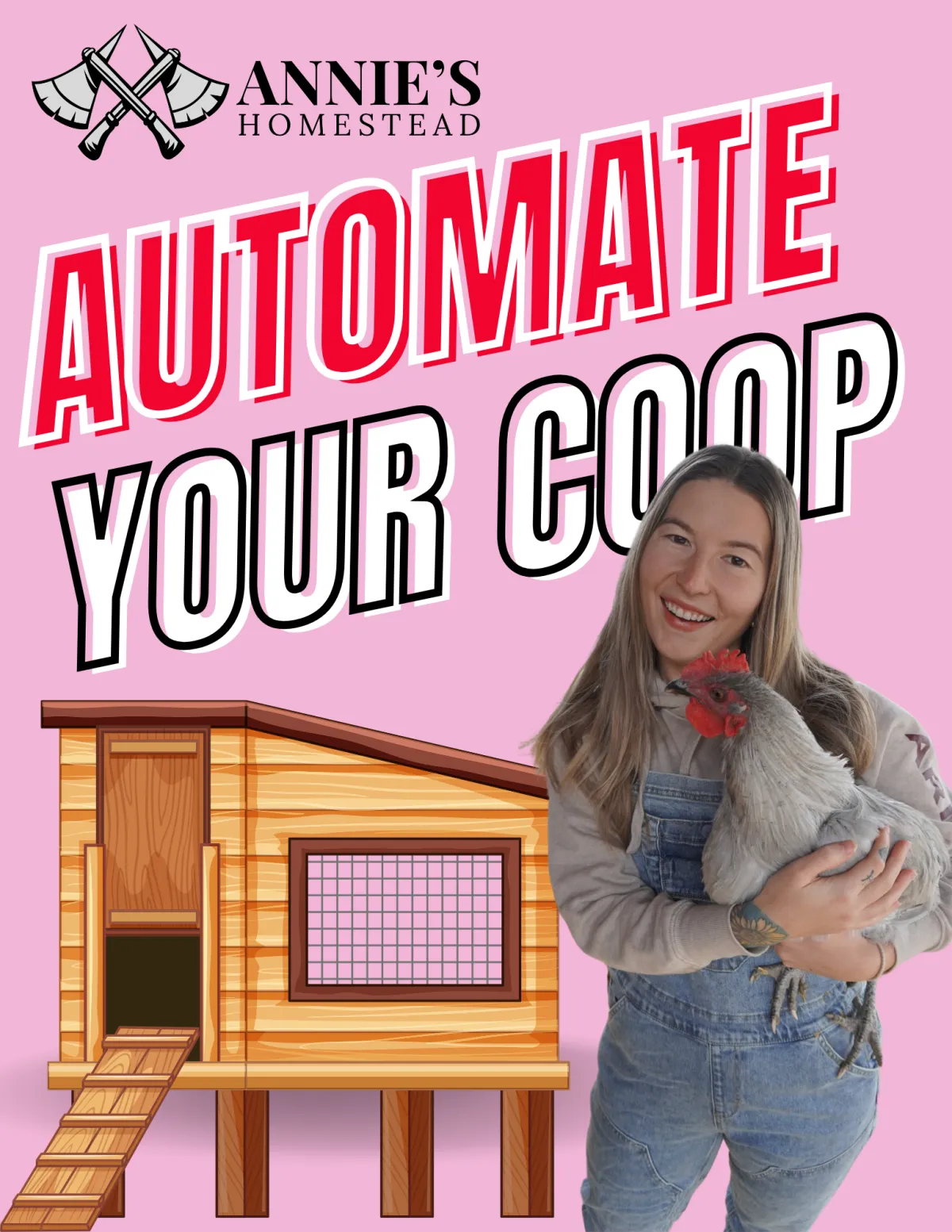
Hey There,
I'm Annie
I'm here to help you leave the system with ease
I live off-grid in the Idaho mountains with a flock of birds I hatched myself, an indoor grow room, and a greenhouse — because I'd rather know exactly what's going into my food than trust a label that doesn't have to tell me everything.
I built Annie's Homestead for the person who's started asking questions they can't unask. The person who reads ingredients now. The person who looked at the Palantir-USDA contract and thought — okay, it's time to build my own supply chain.
No sugar-coating. No gatekeeping. Just the real process, the real numbers, and honest answers about what it actually takes.
You found this page for a reason. Stick around.
Top Resources
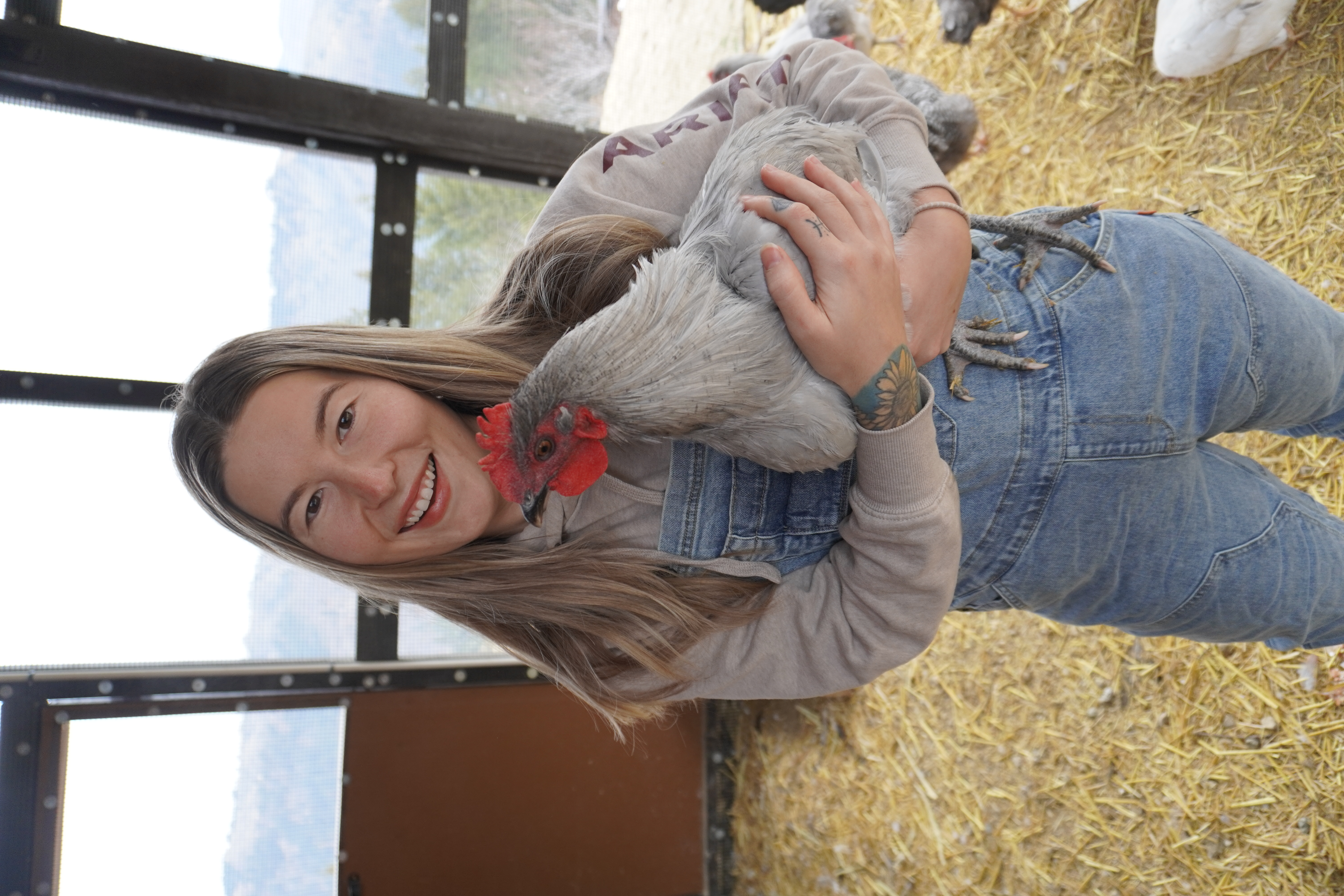
Streamline your chore list with our chicken coop automation list
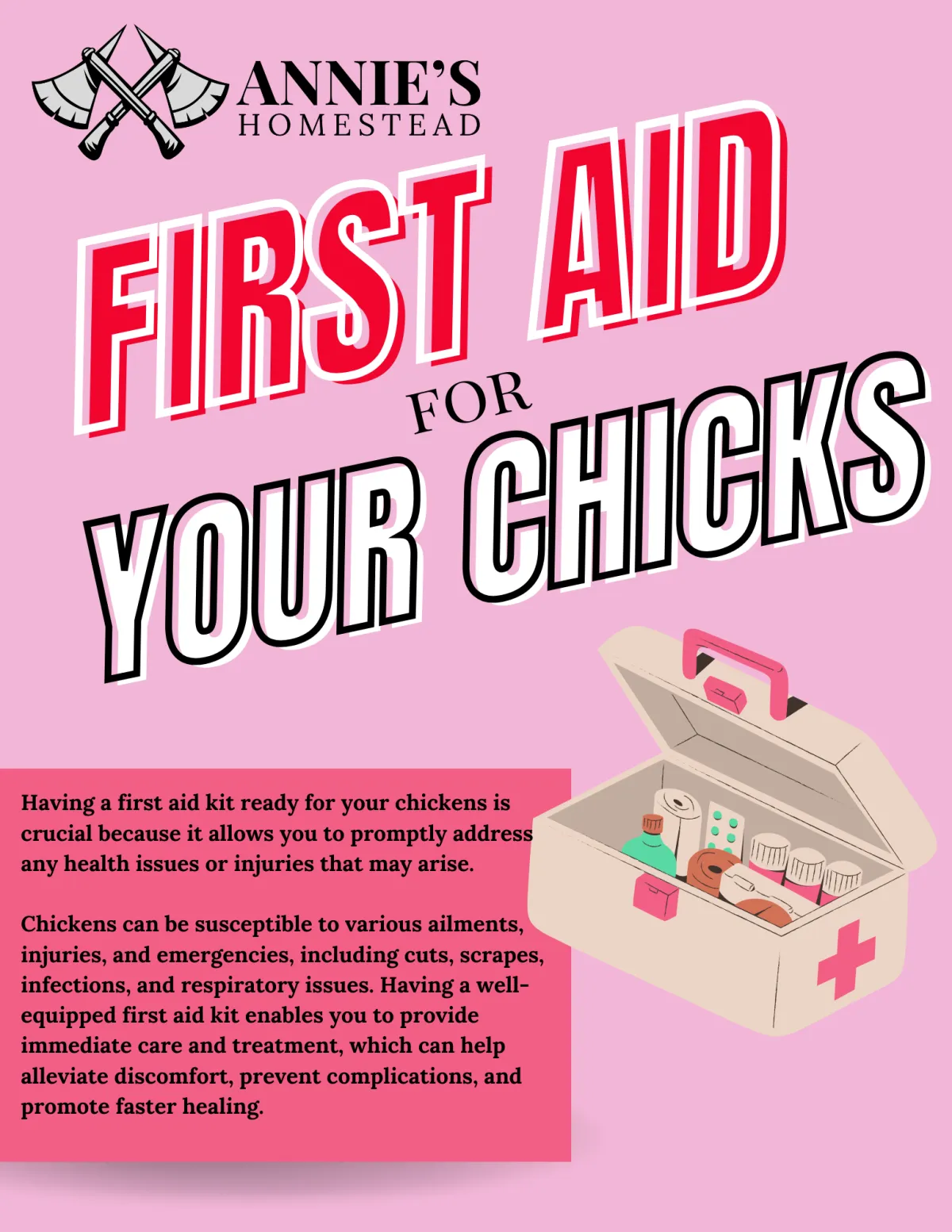
Prepare For Emergencies with our Chicken First Aid Kit
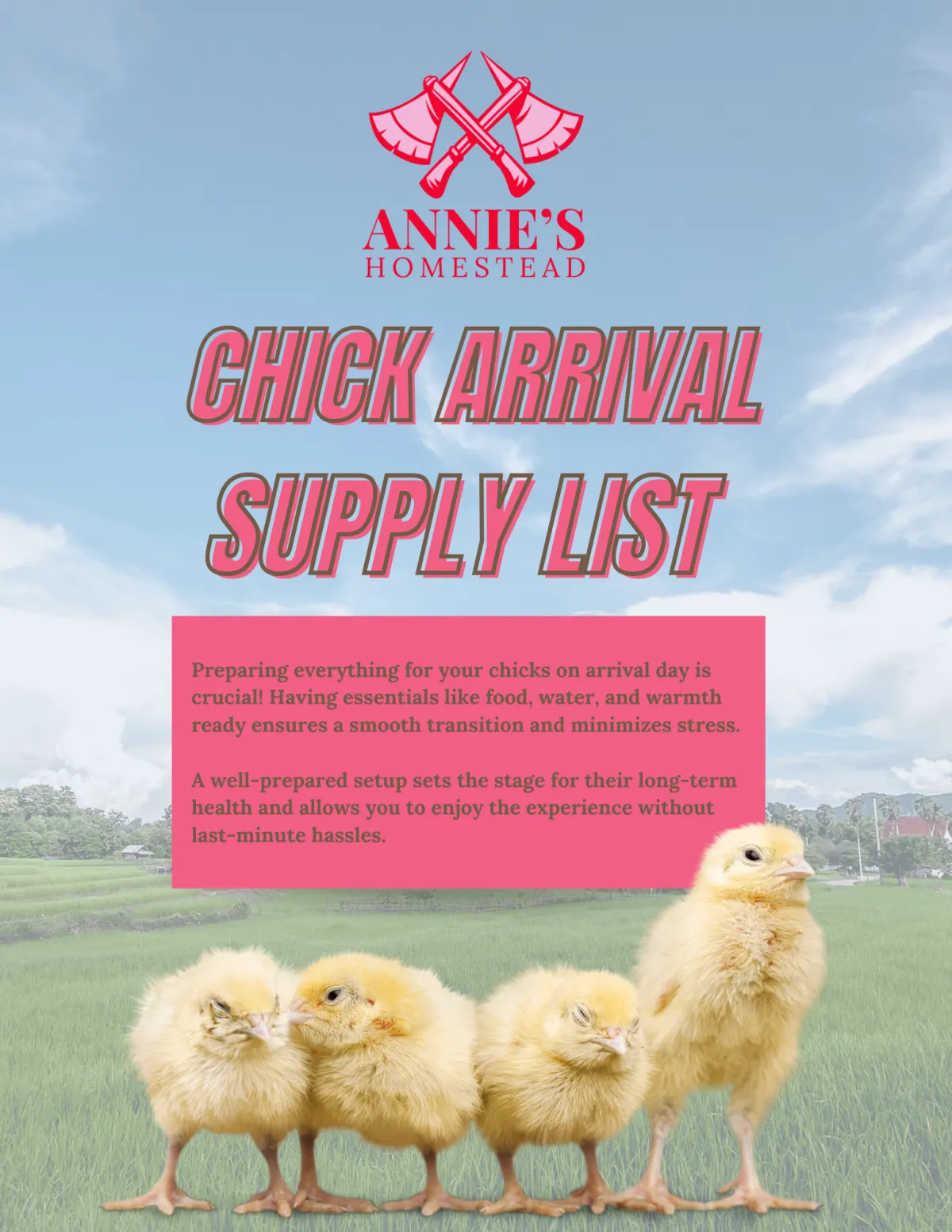
Prepare For Your New Chicks with our Favorite Essentials
Stay Updated
And join the inner circle
Be one of the firsts to know anything new and stay up to date with all the happenings on the homestead!
(I won't spam you ever - PROMISE!)
READ THE BLOG
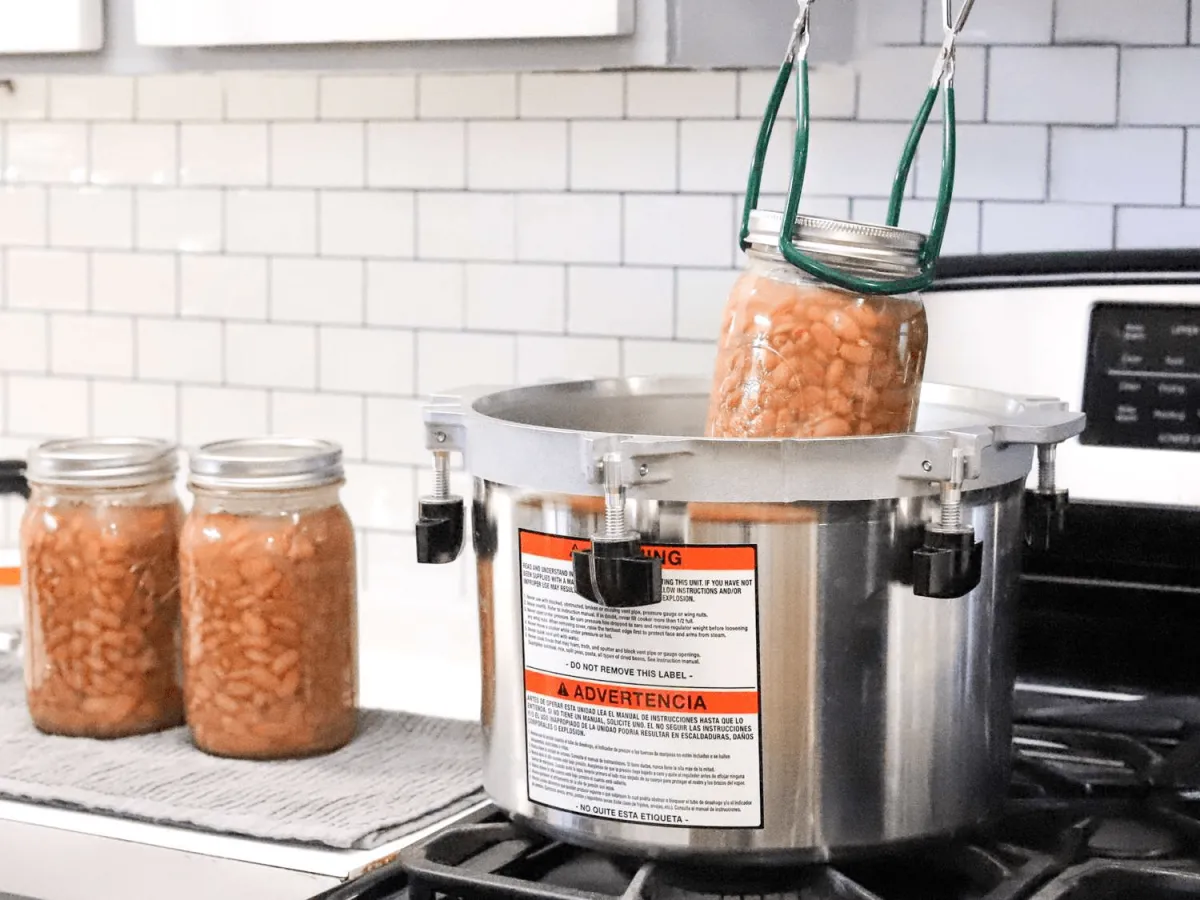
The Science of Canning
The Science of Canning
How It Works and Why It’s Safe
There’s something downright magical about turning fresh produce into shelf-stable jars of deliciousness, but beneath the surface of this homesteading craft lies a fascinating science. If you’ve ever wondered how canning works or questioned its safety, you’re in the right place.
Let’s break down the science of canning so you can preserve with confidence and enjoy the fruits (and veggies) of your labor.
Why Canning Works
The Science of Food Preservation
Canning isn’t just an art—it’s science in action. At its core, canning is about two things: killing harmful microorganisms and sealing food in a sterile environment to prevent contamination. Here’s how it happens:
Heat to Kill Microorganisms
When food is heated to a specific temperature, it destroys bacteria, yeast, molds, and enzymes that cause spoilage. The type of food determines the level of heat required:High-acid foods (like fruits, jams, and pickles) need to reach boiling water temperatures (212°F) to destroy most spoilage organisms.
Low-acid foods (like meats, beans, and vegetables) require higher temperatures (240°F or more) achievable only with a pressure canner to eliminate dangerous bacteria like Clostridium botulinum.
Create an Airtight Seal
As the jars cool after processing, the air inside contracts, pulling the lids down and creating a vacuum seal. This seal keeps new bacteria, molds, and other nasties out while locking in freshness.
Why It’s Safe: Understanding the Guidelines
Canning has been safely practiced for centuries, but thanks to modern science, we now know exactly what makes it work—and what can go wrong.
The Role of Acidity
The acidity level of food is a major player in the science of canning. Here’s why:
High-acid foods (pH below 4.6) create an environment where harmful bacteria, like Clostridium botulinum, can’t grow. That’s why water bath canning is sufficient for fruits, pickles, and jams.
Low-acid foods (pH above 4.6) need the higher heat of a pressure canner to destroy botulism spores and other pathogens.
Quick Tip: If you’re ever unsure about the acidity of your food, add a splash of lemon juice or vinegar—it’s a simple step to ensure safety.
Preventing Botulism: The Big Bad Bacteria
Botulism might sound like a scary homesteading buzzword, but it’s entirely avoidable if you follow canning safety guidelines. Botulism spores can’t survive the high temperatures of pressure canning, so sticking to tested recipes and methods is key.
Here are a few golden rules:
Don’t wing it. Use recipes designed for safe food preservation, like those from the Ball Canning Guide or USDA guidelines.
Process for the correct time. Underprocessing jars leaves room for bacteria to thrive.
Never skip the pressure canner for low-acid foods. Even if your grandma swore by water bath canning green beans, modern science says otherwise.
Food Preservation Methods: Why Canning Is Unique
Canning isn’t the only way to preserve food, but it’s certainly one of the most versatile and long-lasting. Here’s how it stacks up against other food preservation methods:
Freezing: While freezing is convenient, it relies on electricity and doesn’t eliminate microorganisms—just slows their growth. Plus, freezer burn is a real buzzkill.
Drying: Great for herbs and snacks, but not every food lends itself to dehydration.
Fermenting: A fun and healthy option (hello, sauerkraut!), but it’s more of a short-term method compared to canning.
Canning: A little upfront effort gives you shelf-stable jars of goodness that can last for years.
Canning lets you take control of your food supply, reduce waste, and enjoy homegrown flavors all year long.
How to Get Started with Safe Canning
Ready to dive into the world of canning? Here’s a step-by-step guide to ensure you’re doing it safely and confidently:
Step 1: Gather Your Tools
A canning pot or pressure canner
Glass jars and new lids (always use new lids to ensure a proper seal)
A jar lifter, funnel, and other canning tools
Tested recipes from trusted sources
Step 2: Choose the Right Method
Water Bath Canning: Best for high-acid foods like fruits, jams, and pickles.
Pressure Canning: Essential for low-acid foods like vegetables, meats, and soups.
Step 3: Prep Your Food
Follow your recipe carefully, whether you’re slicing peaches for syrup or packing carrots into jars.
Step 4: Process Your Jars
Heat your jars for the recommended time and temperature, then let them cool on a towel-lined countertop. You’ll know you’ve done it right when you hear the satisfying “ping” of sealing lids.
The Benefits of Canning Your Own Food
Why should you invest time and effort into canning? Here are just a few reasons:
Control Your Ingredients: Say goodbye to preservatives, “natural flavors,” and questionable additives.
Save Money: Stocking up on produce in-season (or growing your own) is cheaper than buying pre-packaged goods.
Reduce Waste: No more tossing out spoiled veggies—just can them!
Self-Sufficiency: Build a pantry that doesn’t rely on the whims of grocery store shelves.
Nostalgia and Joy: There’s something deeply satisfying about hearing that “ping” and seeing rows of beautiful jars on your shelf.
Science Meets Homesteading
Canning might seem intimidating at first, but once you understand the science behind it, you’ll see it’s both safe and rewarding. Whether you’re jamming summer berries, pickling garden cucumbers, or pressure-canning your first batch of chicken soup, you’re participating in a time-honored tradition of self-reliance.
So roll up your sleeves, grab your jars, and start building a pantry you can be proud of. With every lid you seal, you’re preserving more than just food—you’re preserving a way of life.
What’s the first thing you’re going to can this Canuary? Let me know in the comments, and don’t forget to share your success stories (and mishaps—we’ve all been there)!

It's time to take the first step towards your homesteading journey.
Don't let uncertainty hold you back any longer.
Our chicken course offers a comprehensive roadmap to self-sufficiency, guiding you step-by-step through the process of creating your own thriving flock, from hatch to harvest.
Enroll in our course today and take the first step towards a brighter, more empowered future!

Annie's Homestead is not affiliated by Facebook™ in any way. Facebook™ is a registered trademark of Facebook™ Inc
Branding and Website by RoyalT Studio