



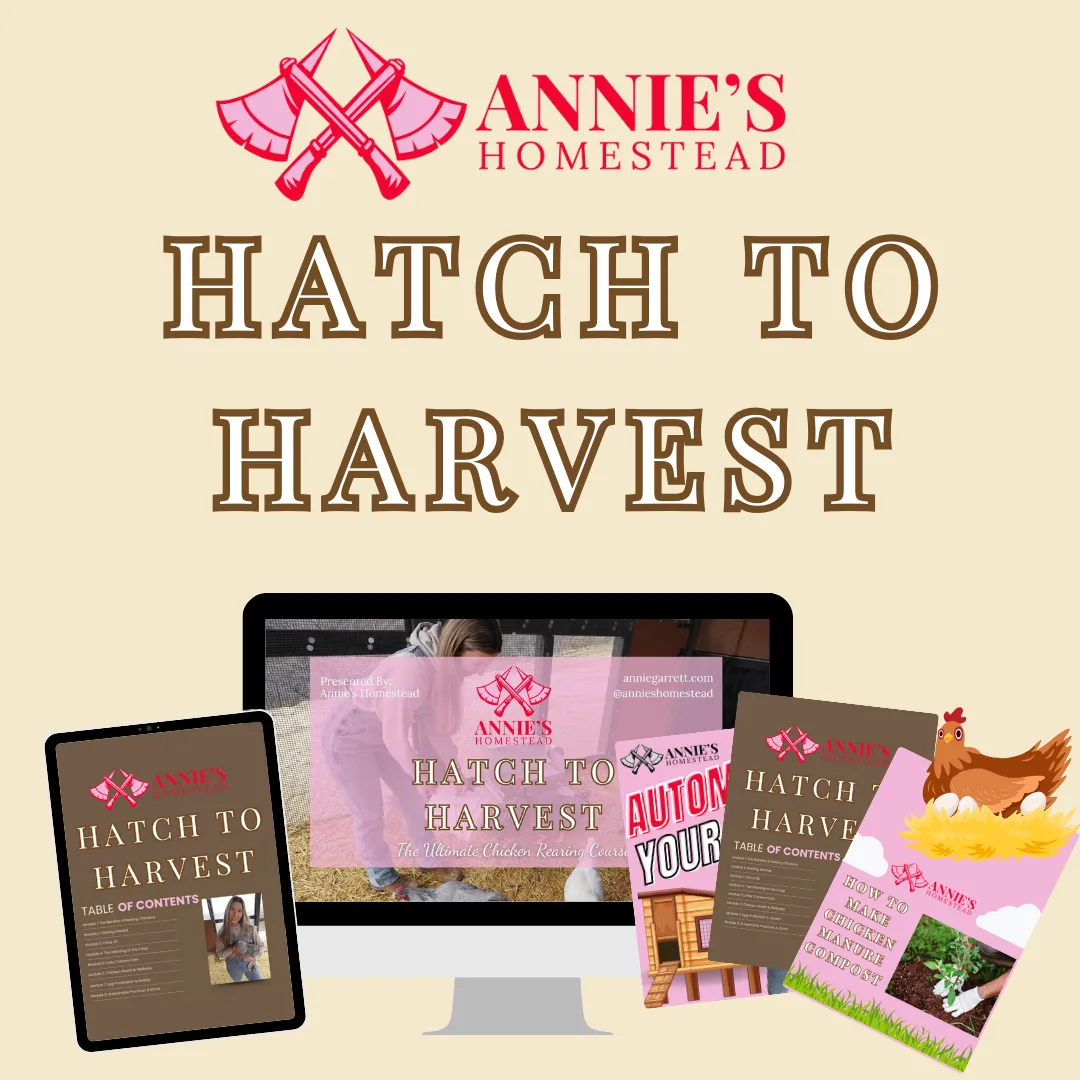
Welcome to Annie's Homestead
You stopped trusting the system.
Now let's build your way out of it
Learn how to grow real food, real birds, for real independence.
Does this sound familiar?
You've been reading labels and not likeing what you see.
You don't fully trust the grocery store, the supply chain, or what the label actually means. You're not paranoid. You're paying attention. And you're ready to do something about it.You want to know where your food actually comes from.
You want to know the bird, the feed, the ground it walked on. You want the full chain — and you want to own it.You’re done waiting for the system to fix itself.
Whether you have five acres or a back patio, you're ready to start building something that doesn't depend on anyone else. One seed. One egg. One jar at a time.
If any of that sounds like you — you're exactly who this is for.
Most homesteading content online is either a Pinterest fantasy or a 47-step overwhelm spiral. Neither helps you actually do anything.
This isn't that.
Annie's Homestead is no-gatekeep, straight-to-the-point resources for people who are done outsourcing their food supply to a system they don't trust. We go into the detail. We share what actually works. And we don't pretend it's simpler than it is — because you're smart enough to handle the real version.
That's where Annie's Homestead comes in.

Start exactly where you are.
You don't need land, livestock, or a barn. You need a direction and someone who's actually done it. Whether you have a backyard or a window ledge, the first step is the same: start something you can eat.

Know what's in your food — because you put it there.
From egg selection to hatch day. From mealworms to free-range. From seed to harvest. Annie covers the full chain because the full chain is the whole point.

Build skills that make you less dependent.
Fermentation. Incubation. Coop automation. Food preservation. Every skill you learn is one less thing you need from a system you don't trust. That's not a hobby. That's a strategy.
Free: Automate Your Coop
Want to streamline your chores?
Less time on chores.
More time on everything else.
The exact automations Annie uses on her off-grid Idaho homestead — automatic doors, refillable waterers, everything that runs the coop so she doesn't have to babysit it.
Free. Because we don't gatekeep here.
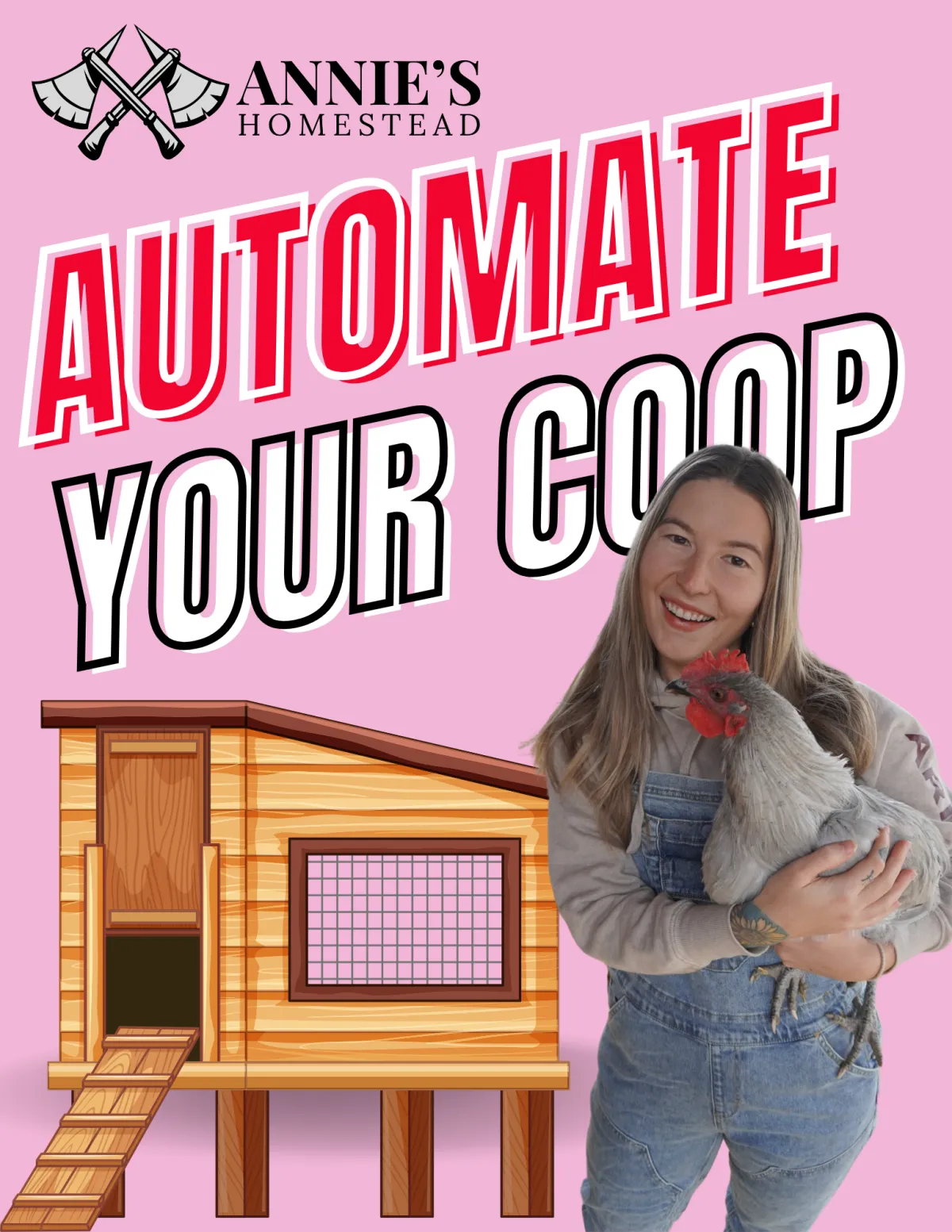
Hey There,
I'm Annie
I'm here to help you leave the system with ease
I live off-grid in the Idaho mountains with a flock of birds I hatched myself, an indoor grow room, and a greenhouse — because I'd rather know exactly what's going into my food than trust a label that doesn't have to tell me everything.
I built Annie's Homestead for the person who's started asking questions they can't unask. The person who reads ingredients now. The person who looked at the Palantir-USDA contract and thought — okay, it's time to build my own supply chain.
No sugar-coating. No gatekeeping. Just the real process, the real numbers, and honest answers about what it actually takes.
You found this page for a reason. Stick around.
Top Resources
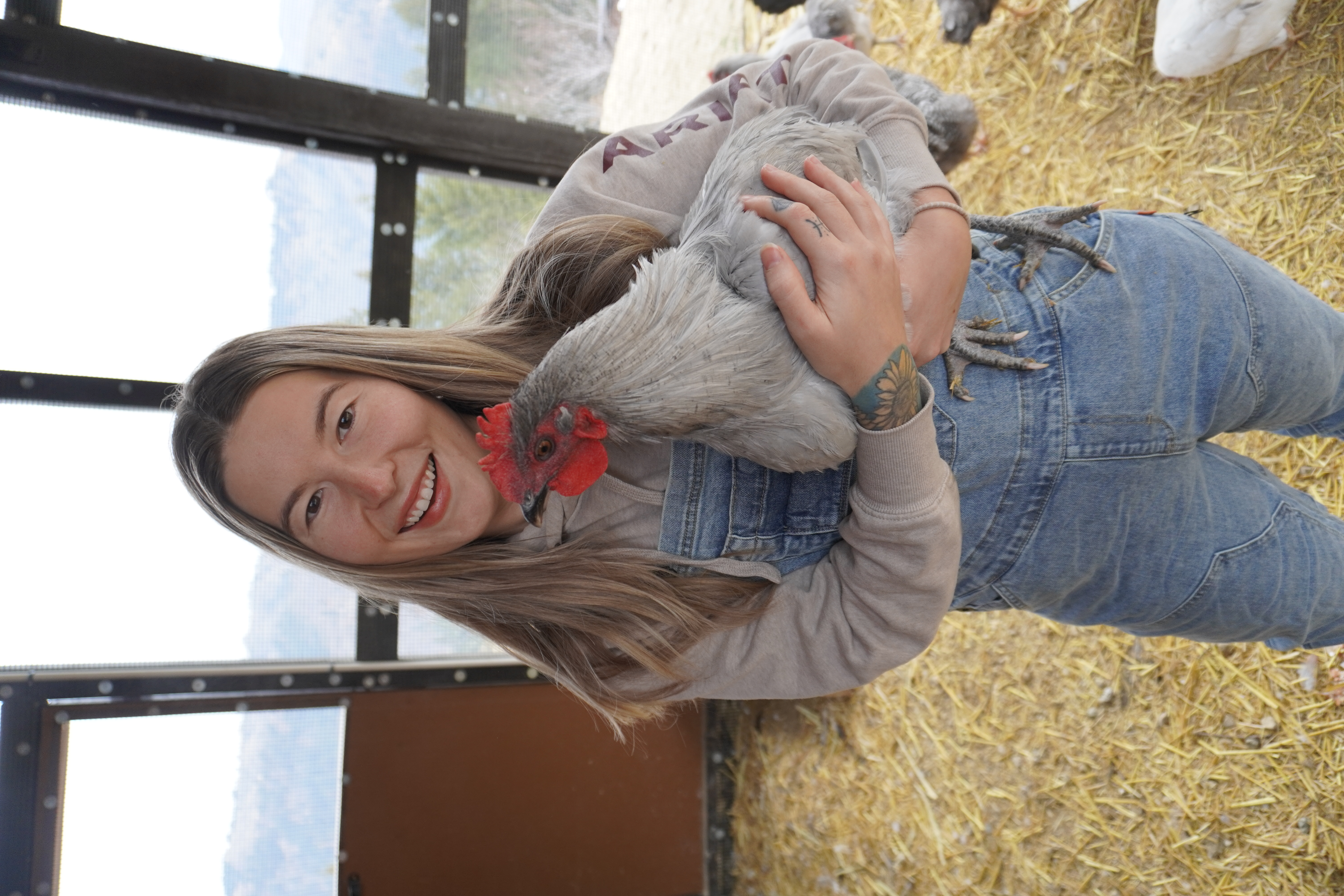
Streamline your chore list with our chicken coop automation list
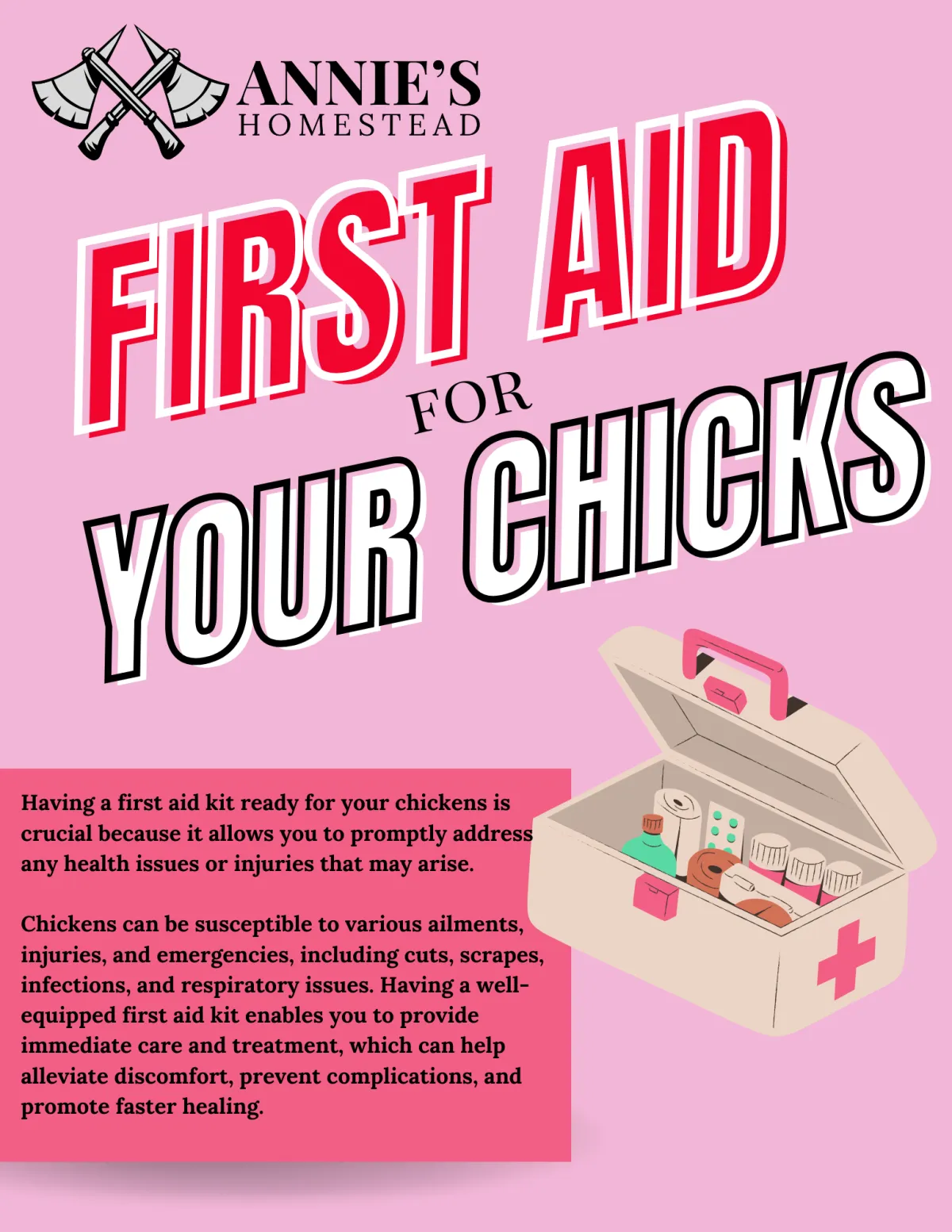
Prepare For Emergencies with our Chicken First Aid Kit
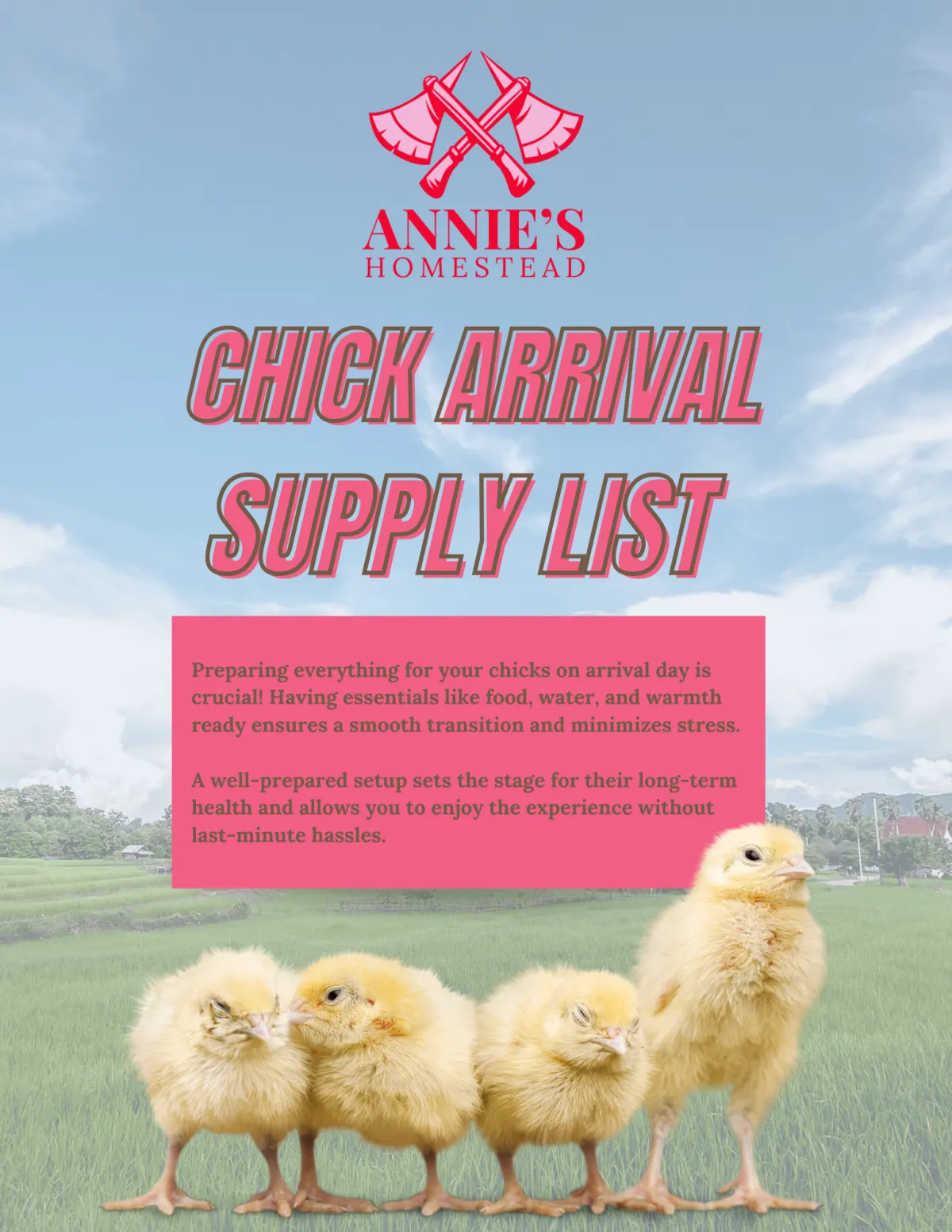
Prepare For Your New Chicks with our Favorite Essentials
Stay Updated
And join the inner circle
Be one of the firsts to know anything new and stay up to date with all the happenings on the homestead!
(I won't spam you ever - PROMISE!)
READ THE BLOG
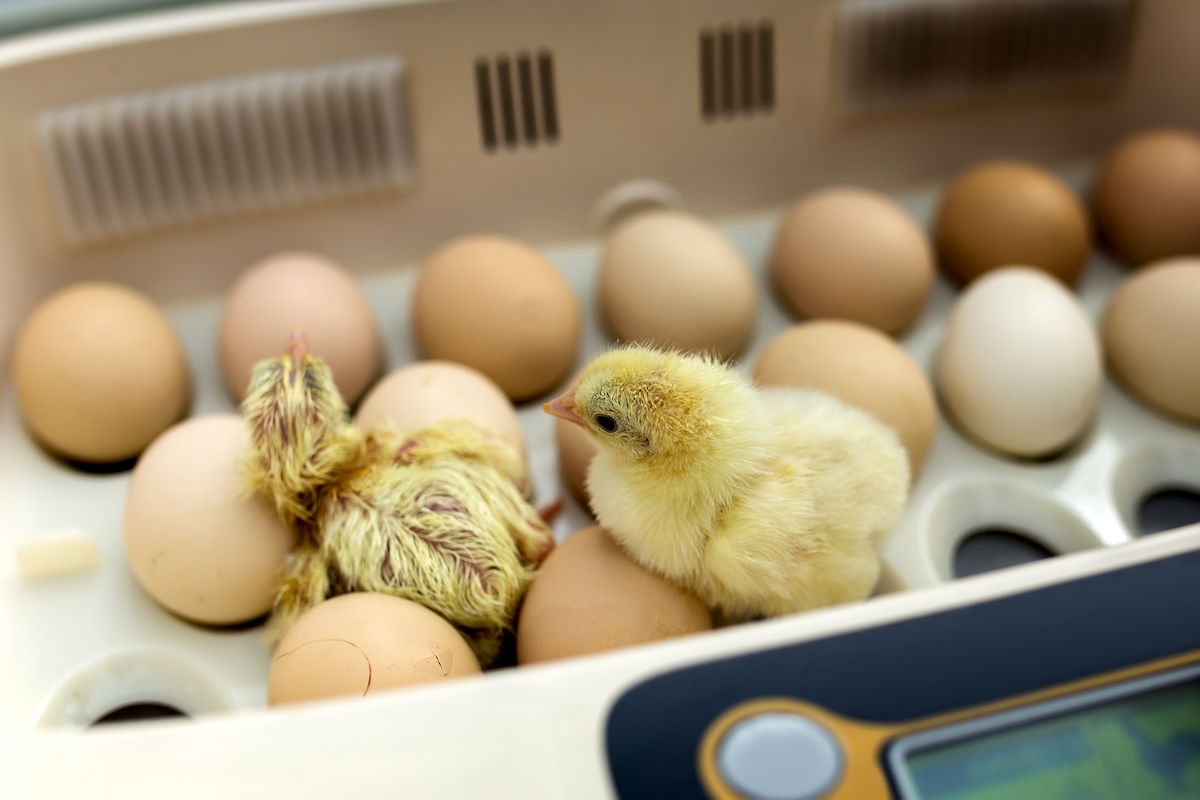
Is Hatching Your Own Chicks Actually Worth It? An Honest Homesteader Opinion
Is Hatching Your Own Chicks Actually Worth It? An Honest Homesteader Opinion
This is one of those homestead questions that sounds simple until you’ve actually done it.
Because on paper, hatching your own chicks sounds like the dream. You save fertile eggs, fire up the incubator, wait 21 days, and suddenly you’ve got fluffy little chicks peeping in your brooder like you just unlocked some ancient self-sufficiency level. That part is real. It can be rewarding, educational, and a powerful way to grow your flock. University of Maryland Extension describes hatching eggs at home as a rewarding way to increase a flock, and Utah State Extension notes that many people pursue it for self-sufficiency and the excitement of raising birds from the very beginning.
But the honest answer is this:
Yes, hatching your own chicks can be worth it.
No, it is not always the easiest, cheapest, or most practical option.
Whether it is worth it depends on what you actually mean by “worth it.”
If you mean worth it emotionally, for the experience, the learning, the control, and the satisfaction, then yes, often it is. If you mean worth it as the fastest, simplest way to get healthy pullets into your coop, then not always. Buying chicks is often way easier. Hatching is usually more hands-on, more variable, and more dependent on your setup, your egg source, and your expectations.
And that is the part people need to hear before they start.
Why people want to hatch their own chicks in the first place
Most people are not drawn to hatching because it is the most efficient system on earth. They are drawn to it because it feels closer to the source.
You are not just ordering a box of chicks from a hatchery and hoping they arrive alive. You are selecting eggs, managing incubation, watching development, and participating in the full cycle. That has value. It gives people more control over breed selection, timing, and in some cases the ability to build a flock from their own birds or from a breeder they trust. Hatching also opens the door to using a broody hen instead of an incubator, which can reduce equipment needs if you have the right bird for the job.
It can also be appealing if you want breeds or lines that are harder to find as day-old chicks. Some poultry sources note that hatching eggs can give access to rare breeds, color projects, and genetics that may not be available through standard hatchery chick assortments.
So the appeal makes sense.
It feels more hands-on.
It feels more sovereign.
It feels like you’re building something, not just buying it.
And for a lot of homesteaders, that matters.
The biggest thing people misunderstand about hatching
Hatching your own chicks is not the same thing as “getting replacement hens.”
That is where a lot of people go wrong.
If your actual goal is to add six laying hens to your flock with as little drama as possible, hatching is not the most direct route. When you hatch your own eggs, you are not ordering six guaranteed female chicks. You are taking on fertility, hatchability, sex ratio, chick quality, and brooder management all at once. Poultry and extension materials repeatedly stress that not all fertile eggs hatch, hatch rates vary, and success depends heavily on egg quality, storage, incubation conditions, and source. South Dakota State’s classroom incubation materials note that even eggs hatched naturally by a broody hen average only around an 80 percent hatch rate, which is a useful reminder that hatching is never a guaranteed 100 percent outcome.
And then there is the rooster problem.
If you hatch standard straight-run chicks, you should expect roughly half to be male over time. Research and poultry references commonly reflect a near 50/50 sex ratio in chicks, even though the exact ratio can vary.
That means if your dream was “I want five more hens,” hatching may deliver five hens, or three hens, or seven hens, plus a group of cockerels you now need a plan for.
That does not make hatching bad.
It just means it's not the same thing as ordering exactly what you want.
So… is hatching your own chicks cheaper?
Sometimes. But not always in the way people think.
If you already have a healthy rooster, fertile eggs from your own flock, a broody hen or incubator, and a setup ready to go, then yes, hatching can be economical. You are using what you already have and converting your own flock into future birds. That can be especially useful if your goal is long-term flock replacement or greater self-reliance. (This is what we do btw)
But if you are buying an incubator, buying fertile eggs, paying shipping, hoping shipped eggs survive transit, then brooding the chicks after hatch, the math gets less romantic. Ohio State notes that shipped eggs have a lower chance of hatching than eggs picked up fresh in person, and several extension sources emphasize that older eggs and poorly stored eggs hatch less well than fresh, clean, properly handled eggs.
So yes, you might save money per bird in the long run. But you might also discover that by the time you count the incubator, the fertile eggs, the hatch losses, the brooder setup, the feed, and the extra roosters, you did not exactly stumble into some magical free-chicken loophole. That is especially true if your only goal was to get a few reliable laying hens into the coop quickly.
What makes hatching worth it for some people anyway
This is the part the practical people sometimes miss.
Not everything valuable is measured by whether it was the cheapest possible route.
For many people, hatching is worth it because of the experience itself. You learn more. You become less dependent on external supply chains. You understand fertility, incubation, timing, storage, hatch conditions, chick development, and brood management in a way you simply do not when a hatchery box arrives at the post office. University of Maryland Extension explicitly describes hatching as fun and educational, and Utah State frames it as a way to support self-sufficiency and hands-on learning.
It can also be worth it if you are intentionally building your own breeding program, maintaining a preferred line, preserving a breed, or creating a more closed-loop system on your property. In that case, hatching is not just a cute spring project. It is infrastructure.
That is a completely different mindset than “I just want six chicks this month.”
And that mindset shift matters.
When hatching your own chicks is probably worth it
Hatching tends to make the most sense when you want more than just birds.
It is usually worth it when you want to raise from your own flock, when you value self-sufficiency, when you want specific genetics or harder-to-find breeds, when you have a broody hen or incubator you trust, and when you are okay with some uncertainty in exchange for more control. It also makes sense when you actually want the educational side of the process and are prepared for the work after hatch, not just the cute part during hatch. Extension guidance consistently emphasizes that before beginning a hatching project, you should already have plans and equipment in place to care for the chicks once they arrive.
It is also more worth it when your eggs are local, fresh, clean, and from a reputable source. Fresh eggs from your own flock or picked up locally generally have better odds than eggs that spent days being bounced around in the mail. Ohio State explicitly notes that shipped eggs have lower hatch rates than eggs picked up in person.
So if you are working with good eggs, good equipment, and realistic expectations, hatching can be deeply worth it.
When buying chicks is probably the better move
Sometimes the honest answer is that you do not need a hatching project. You just need chicks the easiest way possible.
If your goal is simplicity, predictability, vaccinated birds from a reputable hatchery, or a specific number of pullets, buying chicks may be the cleaner option. Cornell Small Farms recommends buying from a reputable hatchery and notes that hatcheries can vaccinate chicks if requested. Mississippi State and other sources also emphasize buying from recognized, disease-monitored sources.
That route may not feel as romantic and homesteady, but it can be far more practical if you want to skip the uncertainty of hatch rates, brooding from day zero, and managing extra males.
There is no shame in that.
Not every flock decision has to be a full homestead rite of passage.
We purchased chicks our first two years as homesteaders.
The incubator truth
An incubator is not a magic box. It is a small climate system that you are responsible for running correctly for three weeks.
That means temperature, humidity, ventilation, turning, egg quality, storage, and timing all matter. Mississippi State lists temperature and humidity as critical incubation factors and recommends relative humidity around 58 to 60 percent for most of incubation, increasing during hatch, while Cornell’s duck incubation guidance uses 99.5°F and 55 percent relative humidity as a model for stable incubation management and turning multiple times daily. Illinois Extension also notes the location of the machine matters and recommends a stable room environment.
For chicken eggs specifically, many educational poultry sources center around the classic 21-day timeline, with turning stopped for the final few days before hatch. Texas A&M and classroom incubation materials also warn against helping chicks out of the shell unless there is a true emergency, because forcing a hatch often creates more problems than it solves.
So if you are the kind of person who wants to set it and forget it, incubating may humble you quickly.
Not because it is impossible.
Because it requires consistency.
If you want a specific guide on how to incubate chicken eggs, grab my guide here.
What about a broody hen?
A broody hen can absolutely be the easier, more natural route, assuming you actually have one and she is reliable.
That is the catch.
A broody hen can do the turning, the warming, and later often the mothering. That can take a lot off your plate compared with an incubator. But broody hens are limited in the number of eggs they can cover, not every breed goes broody, and not every broody hen is dependable from start to finish. Backyard poultry guides comparing broody hens and incubators point out that hens are more limited in capacity, while incubators offer more scale and control.
So if you have a great broody hen, hatching may feel much more worth it because the labor shifts. If you do not, you may find yourself shopping for equipment and babysitting an incubator anyway.
The question most people should ask before they hatch
Not “Can I hatch chicks?”
Not even “Would this be fun?”
But this...
What am I going to do with the birds I do not want?
Because that is where the real answer lives.
If you hatch twenty eggs and ten are male, what is your plan? If you hatch mixed genetics, are you okay with variation in size, feathering, temperament, and laying performance?
If you do not have a plan for cockerels, flock integration, brooder space, feed, or long-term housing, then no, hatching is probably not worth it right now. Not because hatching is bad, but because the hatch is the easy part compared to the consequences afterward. Extension materials repeatedly remind would-be hatchers to prepare for chick care before they ever begin the project.
My honest opinion
If you are doing it because you want more control, deeper knowledge, better connection to your flock, or a more self-sufficient system, then yes, hatching your own chicks can absolutely be worth it.
If you are doing it because you think it is the easiest way to get a few hens, probably not.
If you are doing it because you saw a cute reel and forgot that half your hatch might be roosters, definitely slow down.
Hatching is worth it for the right reasons.
It is worth it when you want the process.
It is worth it when you want the knowledge.
It is worth it when you want to build your flock with intention.
It becomes a lot less worth it when you want convenience but choose hatching anyway.
That is really the whole thing.

It's time to take the first step towards your homesteading journey.
Don't let uncertainty hold you back any longer.
Our chicken course offers a comprehensive roadmap to self-sufficiency, guiding you step-by-step through the process of creating your own thriving flock, from hatch to harvest.
Enroll in our course today and take the first step towards a brighter, more empowered future!

Annie's Homestead is not affiliated by Facebook™ in any way. Facebook™ is a registered trademark of Facebook™ Inc
Branding and Website by RoyalT Studio